

- Industry
- Medical technology
- Location
- Bonaduz, Switzerland
- Technology
- IBM Rhapsody · Model Driven Development · UML
- Focus
- Software platforms, reuse and engineering capability
Historical customer project, as described in the original EVOCEAN project note.
The challenge: more variants, greater complexity
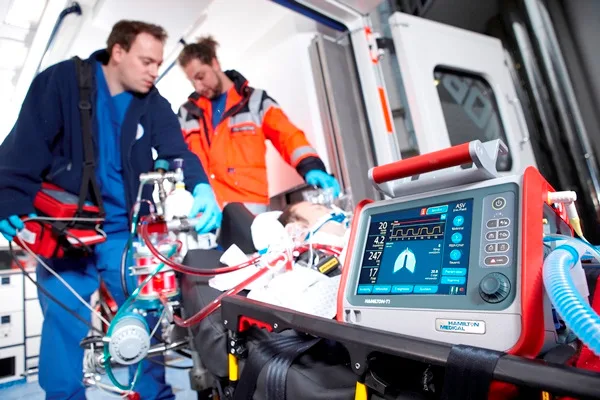
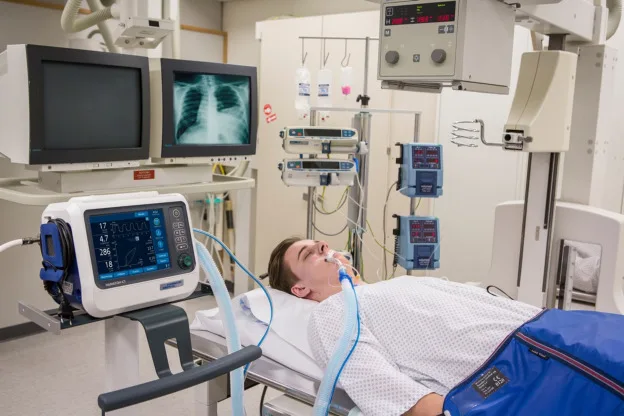
Hamilton Medical develops ventilation solutions for intensive care and patient transport. Its original project note describes growing demand for new functions, shorter time-to-market cycles, cost pressure and restrictive regulatory requirements. More device variants and interfaces with hospital and third-party systems increased the scope of software development.
One platform, many ventilation solutions
In 2003, Hamilton Medical introduced a platform strategy, standardised its development environment and adopted Model Driven Development (MDD) with IBM Rhapsody. Reusing know-how, components and modules meant that a new function could be developed once and deployed to different ventilators. The project note reports faster implementation and more cost-effective introduction of innovations.
Customer perspective
“Employing our platform strategy and Model Driven Development with IBM Rhapsody® enables us to bring our innovations rapidly to numerous ventilation solutions.”
Keeping design and code together
With IBM Rhapsody, new functionality was developed in models and code generated from those models. Hamilton Medical described this coupling as essential to keeping design and code consistent, maintaining an overview as more developers joined, protecting internal know-how and making knowledge transfer and onboarding easier.
Reuse beyond the first release
Safety-relevant generated code needs testing when development tools change. Hamilton Medical reported that software reuse reduced testing effort and made further development and maintenance more focused. At the time of the project note, model-based testing and broader variant management remained areas for further development, rather than completed outcomes.
“The direct coupling of design and code helps us managing the complexity of our products more easily, as design and code remain consistent in the long term.”
The role of training and EVOCEAN
The project note describes introductory and refresher training in object-oriented development, IBM Rhapsody and UML. Hamilton Medical engineers also attended Rhapsody User Group Days organised by EVOCEAN. Gion Durisch highlighted the importance of these events for efficiency and motivation and the value of EVOCEAN’s support.
Explore the expertise
IBM Rhapsody
Rhapsody training
Rhapsody Competence Center
About this story
Adapted from the original EVOCEAN Hamilton Medical project note, supplied for this website. The document is undated and describes a historical project. Quotations and roles are attributed as published in that note; they do not imply current positions, current product specifications or guaranteed outcomes. No numerical performance improvement was reported.